
Introduction
After surgery, many people wonder how to heal faster and regain strength. Physio for post-surgery recovery is a proven way to help your body heal. Physiotherapy uses gentle exercises and hands-on care to support your recovery. In fact, experts from the World Health Organization (WHO) recommend physiotherapy for better healing after many types of surgery. With the right support, you can move more easily and feel better sooner.
Key Benefits of Physiotherapy After Surgery
Physiotherapy offers many benefits after surgery. Not only does it help you regain movement, but it also reduces pain and swelling. Here are some key benefits of post-surgery physiotherapy:
According to the CDC, early movement and guided exercises can make a big difference in how quickly you recover.
What to Expect During Post-Surgery Physio Sessions
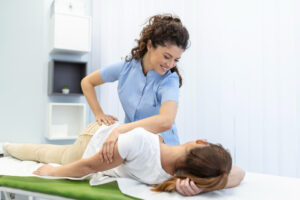
Many people feel nervous before their first physiotherapy session. However, knowing what to expect after surgery physio can help you feel at ease. Usually, your first visit starts with a gentle check-up. The physiotherapist will ask about your surgery and how you feel. Next, they will test your movement and strength. Then, you will get a plan made just for you. Each session may include:
As you progress, your exercises may change to match your recovery stage. This way, you can see steady improvement over time.
Common Techniques Used in Post-Surgical Physiotherapy
Physiotherapists use many safe and proven techniques to help you heal. For example, you may try:
Each technique is chosen based on your needs and the type of surgery you had. Therefore, your plan will be unique to you.
Tips for Maximizing Recovery with Physiotherapy
To get the best results from rehabilitation after surgery, follow these tips:
Additionally, staying active within your limits can help speed up your physiotherapy recovery timeline.
Prevention of Complications Through Physio
Physiotherapy does more than help you heal. It also helps prevent problems that can happen after surgery. For instance, regular movement lowers the risk of blood clots. Gentle exercises can stop your joints from getting stiff. Moreover, learning the right way to move protects your healing tissues. According to medical journals, people who do post-surgery physiotherapy have fewer complications and better long-term results.
When to Consult a Physiotherapist
It is important to know when to seek help. You should consult a physiotherapist if:
Many physiotherapy clinics near you offer post-surgical care. Early support can make a big difference in your recovery journey.
Conclusion & Call-to-Action
In summary, physio for post-surgery recovery offers many benefits. It helps you heal faster, move better, and avoid problems. If you are recovering from surgery, consider seeing a physiotherapist. Consult Dr Pavan Naik for personalized post-surgery recovery guidance.